



How long do preserved flowers last?
Preserved flowers are real plants that have undergone a preservation process allowing them to maintain their natural appearance for an extended period of time. Thanks to this process, preserved flowers, foliage and moss can keep their softness and color for many months and often several years.
While a commonly cited lifespan is around three years, some preserved plants may last much longer depending on their environment and how they are used. Understanding the factors that influence their longevity is key to getting the most out of preserved botanical materials.
What are preserved flowers and moss?
Preserved flowers, foliage and moss are real plants that have undergone a preservation process designed to replace their natural sap with a plant-based solution, typically made of vegetable glycerin, water and natural colorants.
This process allows plants to maintain their natural look and flexibility while eliminating the need for watering or regular maintenance.
If you want to learn more about how this process works, read our guide on What are preserved flowers?
Do preserved flowers last for years?
In many cases, preserved flowers and plants can maintain their appearance for several years. While the average lifespan is often estimated at around three years, many preserved plants can last significantly longer when kept in optimal conditions.
Certain preserved moss products, for example, can retain their vibrant color for more than ten years. Some varieties, such as reindeer moss, are particularly resilient and adapt well to their environment.
However, it is important to remember that preserved plants remain natural materials, and their longevity can vary depending on environmental factors.
Conditions that influence how long preserved flowers last
The lifespan of preserved plants depends largely on how they are used and the conditions in which they are displayed.
To preserve their appearance for as long as possible, it is recommended to:
- keep preserved plants indoors
- avoid direct sunlight
- avoid excessive humidity
- prevent contact with water
- keep them away from strong heat sources
When these conditions are respected, preserved flowers, foliage and moss can maintain their color and flexibility for many years.
If you are interested in preserved moss installations, you can also explore our article How long does preserved moss last?
How different preserved varieties age
Each variety ages in its own way, mainly depending on the preservation technique used. A few examples:
- Ferns tend to curl slightly and get darker over time.
- Sheet moss feels a little drier to the touch but keeps its look.
- Pole moss can gradually thin out.
- Hydrangeas preserved by absorption stay supple for years, while hydrangeas preserved by immersion tend to dry out sooner.
- Reindeer moss behaves differently from other plants: it stays soft in normal indoor humidity and becomes brittle when the air drops below about 40% relative humidity.
Because preserved plants are natural, results can also vary slightly from one batch to another. That is why no serious supplier can promise an exact lifespan: the conditions of use matter more than anything else.
Why professionals choose preserved flowers
Preserved plants offer many advantages for professionals in floral design, event decoration and interior design.
Because preserved flowers do not wilt, florists and designers can prepare arrangements well in advance, which is particularly valuable before peak seasons such as holidays or wedding seasons.
Other advantages include:
- no product loss due to wilting
- no watering or maintenance
- stable availability throughout the year
- no seasonal price fluctuations
- greater creative flexibility
These benefits make preserved plants a powerful material for creating long-lasting decorative projects.
Creative uses of preserved flowers and moss
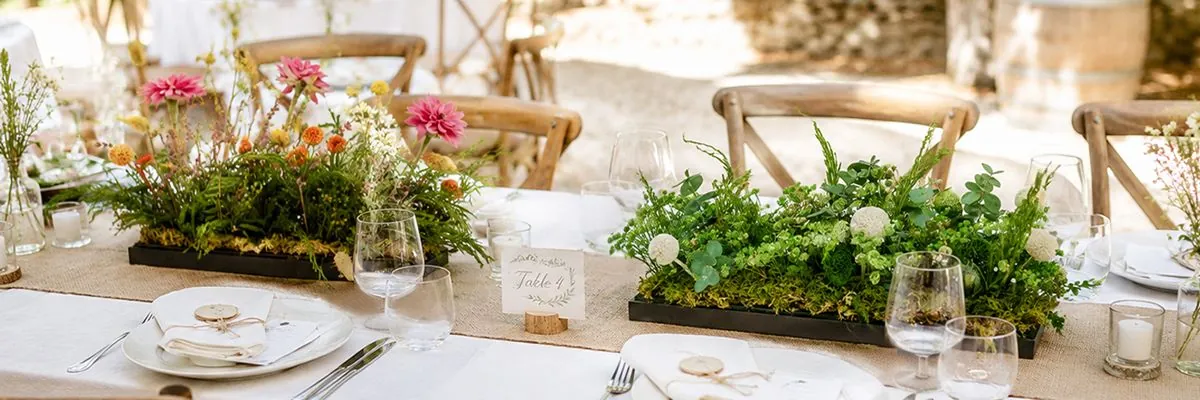
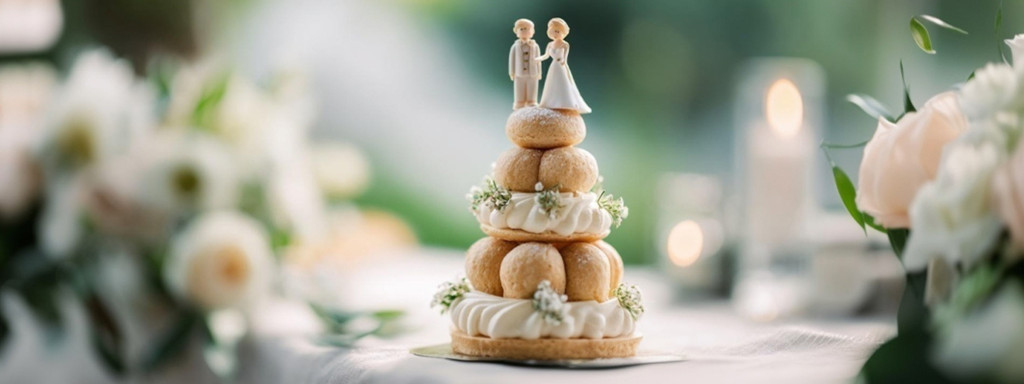
Preserved flowers are widely used for events, weddings and decorative gift items, where long-lasting floral arrangements are highly valued.
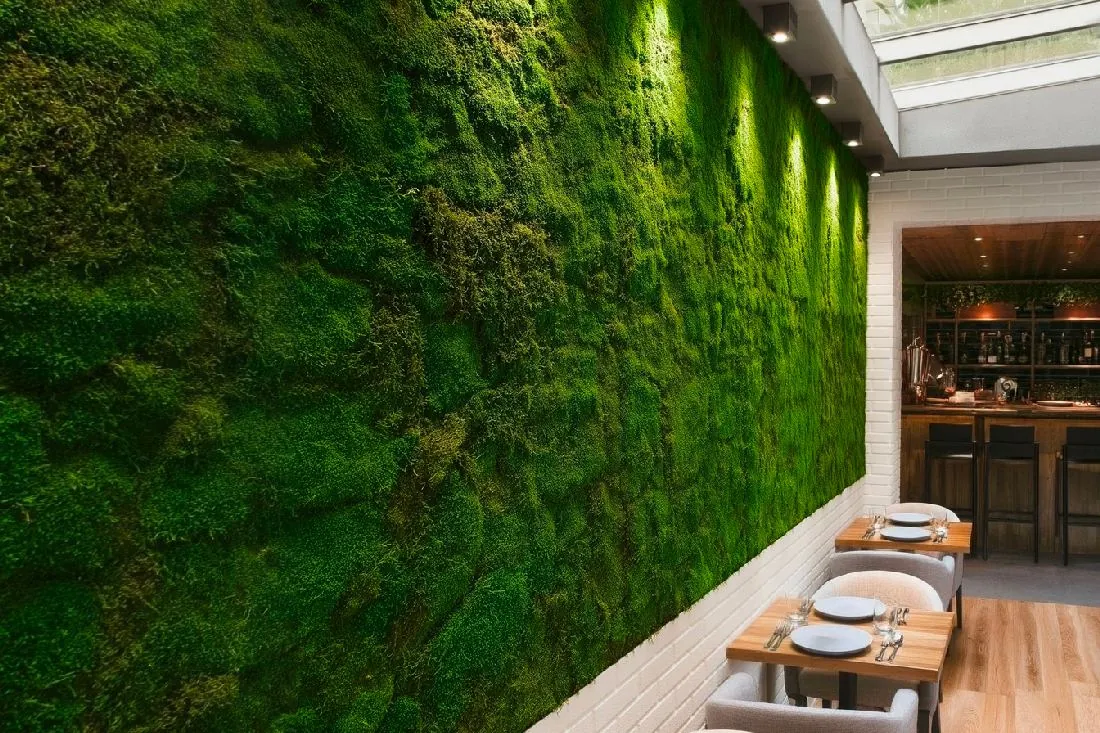
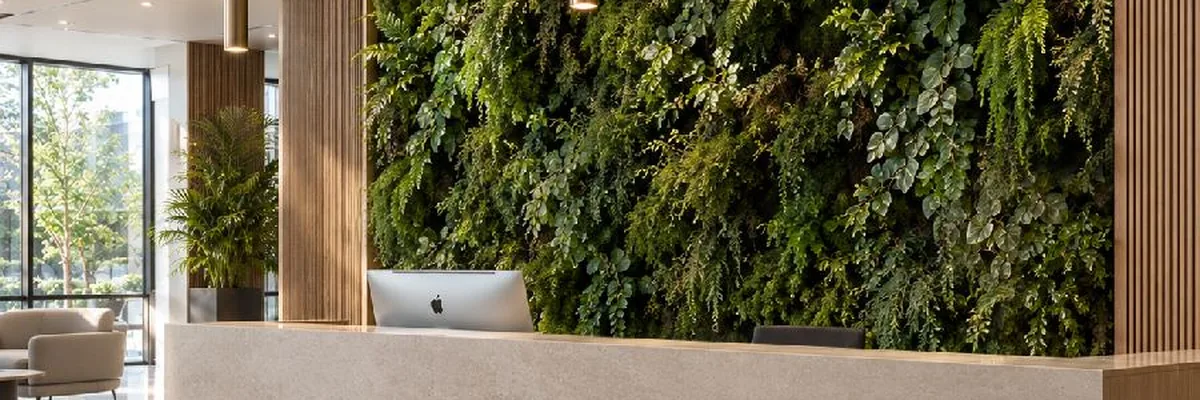
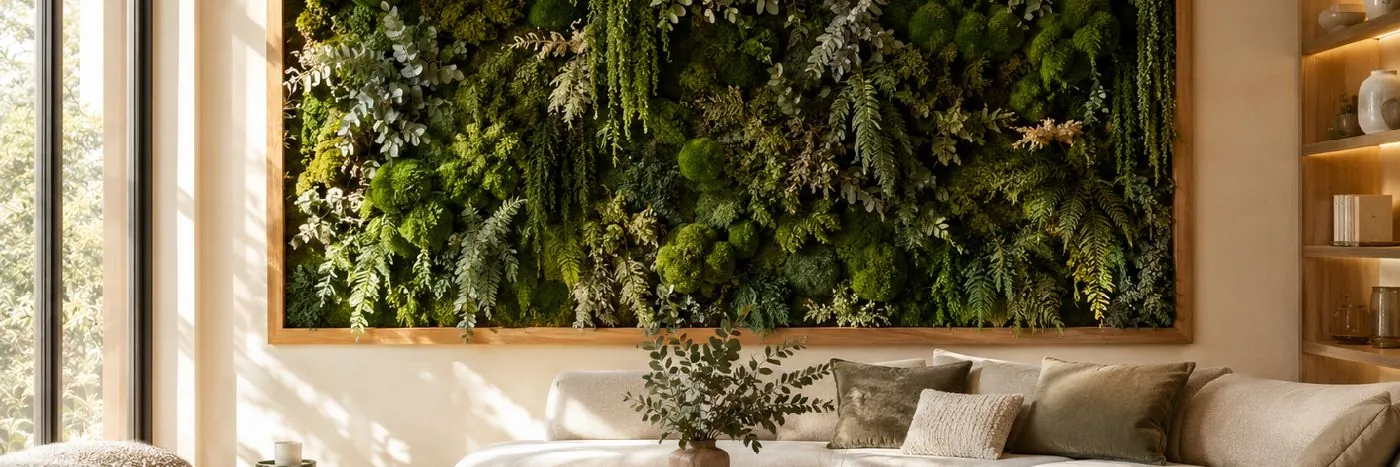
Preserved foliage and moss are particularly popular in green wall installations, but they are also increasingly used in other creative applications thanks to the growing popularity of biophilic design.
Today, preserved plants can be found in:
- wedding and event decoration
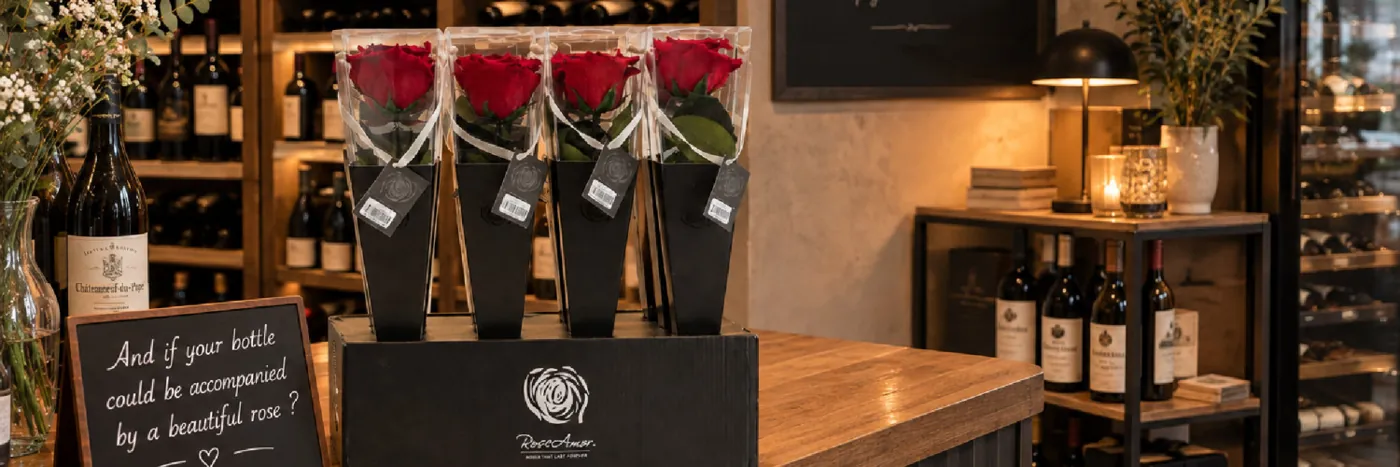
- retail displays and shop windows
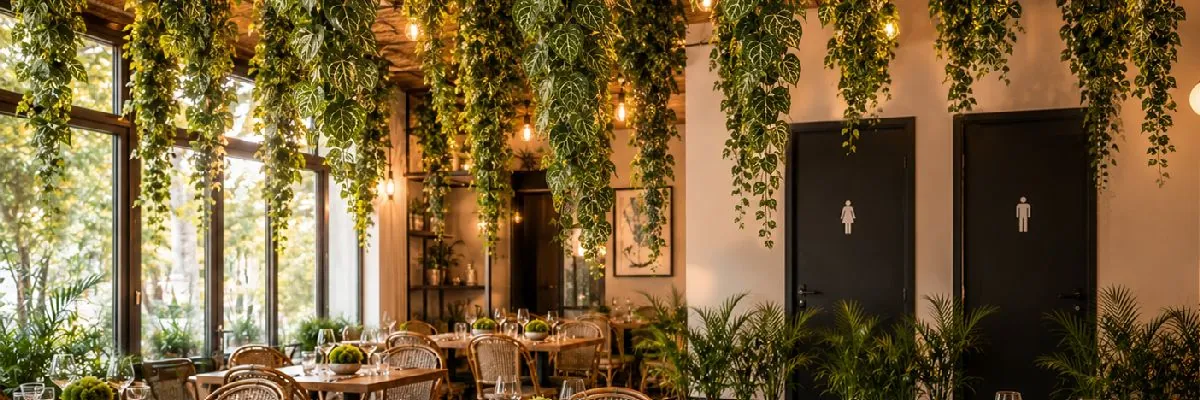
- interior decoration projects
- green walls and plant installations
- photo shoots and set design
Learn more about professional uses in our guide: Best uses for preserved plants in décor and design.
Discover our collections of preserved flowers, foliage and moss designed for professional projects.
Related guides about preserved plants
If you want to learn more about preserved plants, explore these guides:
- What are preserved flowers?
- Preserved flowers vs dried flowers
- Preserved flowers vs artificial flowers
- What is preserved moss?
These resources explain how preserved plants work and how professionals use them in creative and architectural projects.
Frequently Asked Questions
Preserved flowers can last several months to several years depending on environmental conditions. When kept indoors and away from humidity, water and direct sunlight, they can maintain their appearance for a long time.
No. Preserved flowers do not require watering or maintenance. They are designed to maintain their natural appearance without ongoing care.
Preserved flowers are primarily intended for indoor use. However, they can be used outdoors for short periods, such as during an event like a wedding or special celebration. If used outside, it is important to avoid direct sunlight, rain and excessive humidity, as these conditions can significantly reduce their lifespan.
Add to my favorites
- Free shipping over $100Delivered in 24 to 96 hours
- Volume pricingUp to 20% off each item
- Ships from GeorgiaOur warehouse in Lawrenceville
- Talk to a specialist770 729 4716
Real preserved flowers, moss and greenery for hotels, restaurants, events and retail. No water, no light, years of beauty.

© 2026 SecondFlor. Wholesale preserved flowers, moss and greenery, shipped from Georgia.